What happens during rain?
Describe whether water pools at a yard or driveway grate, flows from a downpipe or enters the building.
Outdoor drainage · Brisbane
Give stormwater somewhere to go.
Brisbane downpours expose outdoor drainage problems quickly. Leaves, silt and other debris can block grates and drains, leaving water to pool around paths, yards and low points. MelOne checks and clears stormwater blockages we can safely reach across Brisbane.
Signs to watch
You do not need to diagnose the cause before calling. The pattern is enough to begin.
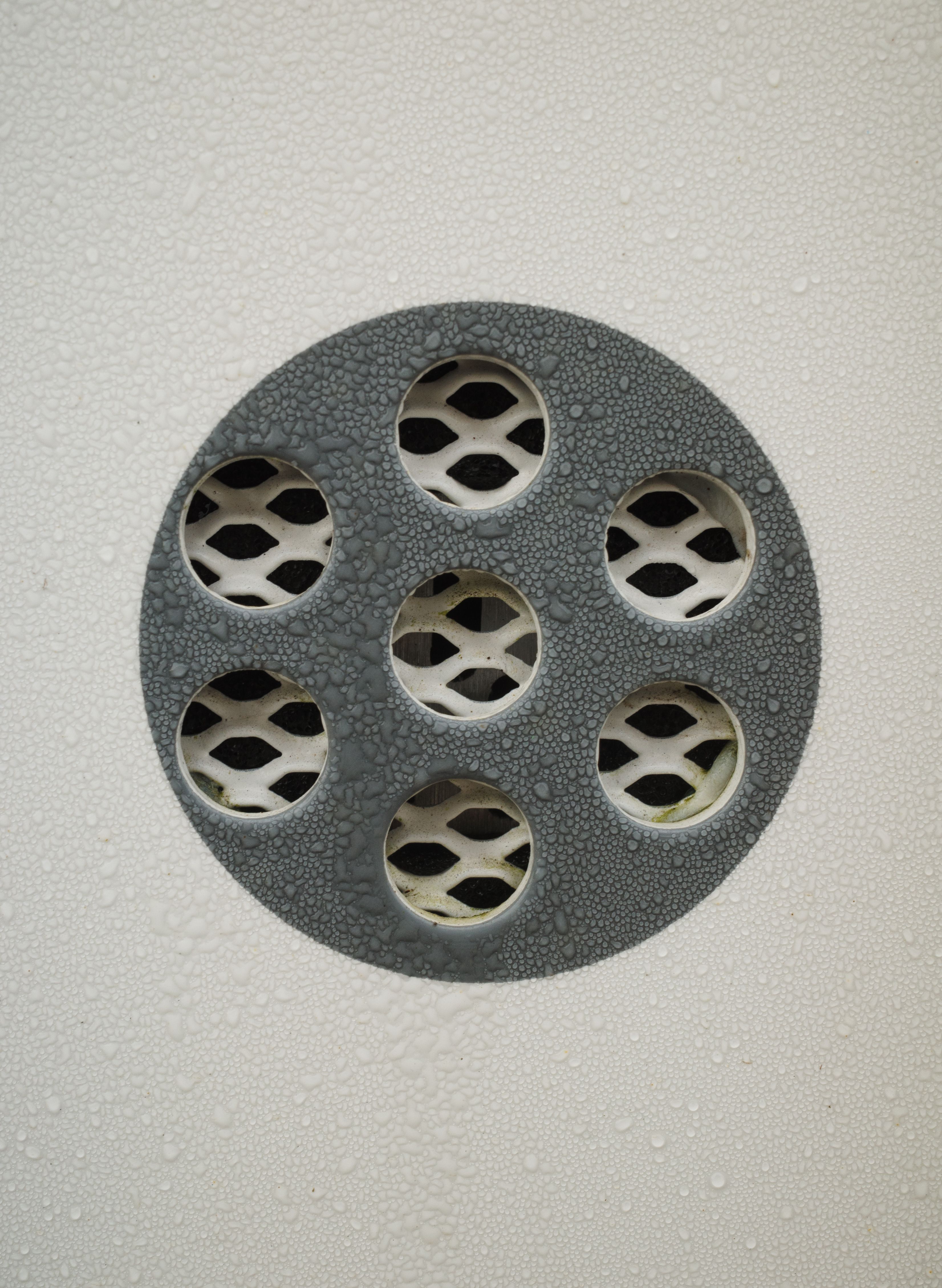
Water pooling around a yard or driveway grate
Leaves and silt collecting faster than water can drain
An outside drain overflowing during moderate rain
A drain that stays full well after the rain stops
Debris or odours coming back through an outdoor grate
A known problem you want checked before storm season
Before the visit
If safe, remove loose surface leaves without opening or entering drains.
Tell us where water pools, how long it remains and what happens during rain.
We check the drains we can reach and explain what to do next.
Before booking
A grate covered by leaves, a buried stormwater pipe and roof runoff are not the same job. Tell us where the water first appears.
Send the drain detailsDescribe whether water pools at a yard or driveway grate, flows from a downpipe or enters the building.
Visible surface debris may be removable, but a restriction further along a pipe needs a separate assessment. Do not open or enter a drain.
Roof gutters, downpipes, council drains and property falls can need different work. We identify the part of the drainage covered by this quote and explain when another trade or authority needs to be involved.
Scope and follow-up
Removing debris from a reachable grate is different from clearing a buried line or changing how the property drains. Make the intended part of the system clear before booking.
Point out the affected ground drains, any visible outlet and where water first collects. A ground-level photo and the pattern during rain help explain the problem; do not enter pits or climb onto a roof to gather information.
We identify the grates or accessible pipe sections included, how removed debris is handled and the flow check possible at the visit. We also explain the limits of a dry-weather check when the problem occurs during heavy rain.
Access, the number of drains, debris build-up and a restriction beyond the reachable section can change the work required. Confirm any further inspection, pipe repair or change to falls as a separate scope; clearing alone does not redesign drainage.
Related help
 01
For urgent, active or recurring blockages
Blocked drain help across Brisbane for slow, gurgling, overflowing or unpleasant-smelling drains.
Explore blocked drains
02
For slow flow, odours, build-up and maintenance
Brisbane drain cleaning for slow flow, recurring smells and build-up in household or small-business drains.
Explore drain cleaning 03
For toilets, kitchen sinks, basins and showers
Help with blocked toilets, kitchen sinks, bathroom basins and shower drains across Brisbane.
Explore toilets & sinks
04
For several affected fixtures and recurring main-drain restrictions
Brisbane sewer and main drain cleaning enquiries for several fixtures backing up, recurring wastewater problems, gurgling and sewage odours.
Explore sewer & main drainsUseful answers
Before the wetter season is useful if you have noticed slow grates, pooling water that will not drain or past overflows. For active flooding or electrical hazards, keep clear and contact the relevant emergency service.
No. Stormwater drains carry rainwater, while sewer drains carry wastewater. The right response is different, so tell us exactly where the water is appearing.
No drain service can promise that. Heavy rain, the slope of the property, council drains and other site conditions can all affect flooding. We focus on the drainage problem we can safely reach and check.
Stormwater enquiries
Tell us where water collects outdoors and whether it clears after the rain stops.
Wastewater backing up indoors? See our sewer and main drain service.